
The Dominican Republic offers a unique contrast between the all-inclusive luxury of Punta Cana and the rugged charm of its southwest region, known as El Sur Profundo or the Deep South. This diverse landscape transitions from the desert-like dunes of Baní to the turquoise rivers of Barahona and the limestone cliffs of Pedernales, making it ideal for explorers seeking authentic experiences away from mass tourism.
In just a few hours of driving, you can witness lush tropical cloud forests meeting the Caribbean Sea. The relatively undeveloped infrastructure maintains its status as a well-kept secret in the Caribbean, inviting those willing to go on an adventure. For independent travellers, a road trip is essential. Having your own vehicle offers the freedom to explore at your own pace, making the journey itself the ultimate destination, filled with breathtaking vistas along the way.
Navigating the southwest by car requires a blend of preparation and a flexible mindset. The primary artery for this journey is the scenic Highway 44, which winds its way along the coast. While the main roads are generally in good condition, choosing the right vehicle is paramount for a successful trip.
A high-clearance SUV or a four-wheel-drive vehicle is strongly recommended. This is not necessarily because the main motorways are impassable, but because the most interesting sites often require traversing unpaved beach paths or rocky mountain roads. Furthermore, Dominican roads are famous for the Policía Acostada, or the sleeping police. These are oversized and often unmarked speed bumps that can cause significant damage to a low-slung sedan.
For navigation, relying solely on a live data connection can be risky as mobile signals often drop out in the remote stretches between Barahona and the southern tip of the island. Downloading offline maps on a mobile app is a vital step in your preparation, ensuring that you can find your way even when you are miles from the nearest mobile tower.
Safety on the road is a critical consideration that every driver must respect. The most important rule for driving in the Dominican Republic is to avoid being on the road after sunset. Once the sun goes down, the lack of street lighting combined with the presence of wandering livestock such as goats and cows makes driving extremely hazardous.
Additionally, motorcycles often operate without functioning lights, and pedestrians frequently walk along the shoulder of the highway. By planning your segments to avoid night driving, you ensure a stress-free arrival at your destination while enjoying the best light for photography.
Be ready to encounter various military and police checkpoints throughout your journey, particularly as you get closer to the Haitian border near Pedernales. These are routine and usually involve a quick inspection of your documents. It is essential to keep your passport, driving licence, and rental agreement easily accessible.
The adventure begins as you leave the bustling capital of Santo Domingo and head west toward Baní. This town serves as the gateway to a desert landscape that feels entirely out of place in the Caribbean. The Dunas de Baní are a natural marvel, featuring massive dunes that rise over thirty metres high. Walking across these shifting sands offers a surreal experience, especially when the blue water of the bay appears on the horizon.
Nearby, the pink salt pans of Las Salinas provide a striking visual contrast, where the vibrant hues of the salt flats under the tropical sun create a photographer’s dream. This area is also the nation's mango capital, where roadside stalls offer the famous sweet Banilejo variety during the summer months.
Continuing westward, the road leads to Ocoa Bay, a destination that defies tropical expectations. This area is home to the only vineyard in the Caribbean, a feat of agricultural engineering that thrives in the region's unique microclimate. The vineyard offers guided tours via electric carts, allowing you to explore sustainable rows of French Colombard and Tempranillo grapes.
Stopping here for a Mediterranean-style lunch allows you to sample local wines, including their signature tropical blend made with passion fruit and mango, while overlooking the calm waters of the bay. The arid, mountainous backdrop provides a sophisticated and tranquil pause before the road trip moves into the more rugged coastal terrain.
As you move past Ocoa, the landscape begins to change again, becoming more mountainous as you enter the province of Barahona. This is the heart of the Dominican Riviera, where Highway 44 begins its dramatic ascent and descent along the coastline. Barahona is a hub for eco-tourism, offering access to the lush Sierra de Bahoruco.
You should also consider a detour to the Larimar mines, the only place on Earth where this rare, sky-blue volcanic stone is found. Visitors can watch artisanal miners extract the gems and visit local workshops to see the stone polished into jewellery. The city itself has a vibrant local pulse, with a malecon perfect for a sunset stroll after a day of mountain exploration.
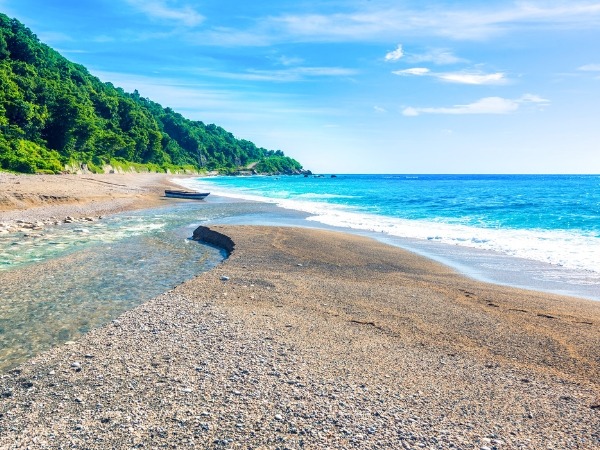
Further south, the coastal villages of San Rafael and Los Patos offer a refreshing break from the heat. These locations are famous for their cold-water rivers that flow down from the mountains to meet the warm Caribbean Sea. At Los Patos, you can witness what is claimed to be the shortest river in the Antilles, running just over 60 metres from its spring-fed source to the ocean.
Both San Rafael and Los Patos feature natural freshwater pools dammed right on the beach, allowing travellers to rinse off the salt in crystal-clear mountain water. The surrounding shacks are the perfect place to grab a cold beer and fresh fried fish while listening to the waves crash against the pebble-lined shore.
As you push toward the edge of the island, you will encounter Laguna de Oviedo, set within the Jaragua National Park. This vast saltwater lagoon is dotted with over twenty small islands or keys and is a sanctuary for hundreds of American flamingos that paint the horizon pink during the migratory seasons.
A boat tour here reveals a vibrant ecosystem where the water often takes on a neon-green hue due to high mineral content. Guides take visitors to islets like Isla Iguana, where you can walk amongst rhinoceros iguanas in their natural habitat. The silence of the lagoon, broken only by the calls of herons and egrets, makes this one of the most serene stops on the route.
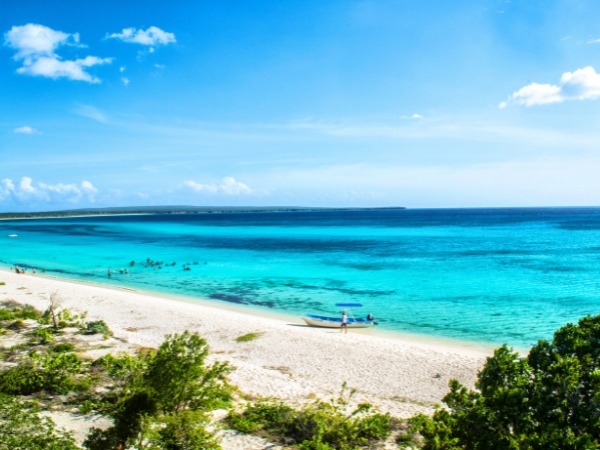
The final leg of the journey further into Pedernales and the crown jewel of the southwest, Bahía de las Águilas. This five-mile stretch of untouched white sand is so remote that a short boat trip from the fishing village of Cabo Rojo is the best way to reach it. There are no buildings, no shops, and no palm trees on this beach—only low-lying scrub and crystal-clear water that transitions from turquoise to opal-blue.
The town of Pedernales itself serves as a gateway to the Haitian border, offering a glimpse into authentic border-town life. Exploring the nearby Bauxite mines and the massive Los Cocos wind farm adds a final layer of industrial and geological intrigue to this remote paradise.
Exploring the southwest region of the Dominican Republic by car is a journey filled with mindfulness and adventure. This route offers a glimpse into the island's soul, where warm-hearted locals and unspoiled landscapes create a unique experience. Choosing this path invites curiosity and patience, rewarding travellers with a sense of discovery that’s rare today.
Now is the perfect time to discover this incredible corner of the Caribbean. Forget waiting for a tour bus or settling for a pre-packaged holiday that can't capture the essence of this coastline. Secure your vehicle and embrace the freedom of the open road. Book a car on Final Rentals today, grab a physical map, and head west toward the horizon. The most beautiful road in the Caribbean is waiting for you, and the memories you create between the dunes and the sea will last a lifetime.