Santo Domingo, the capital of the Dominican Republic, offers more than just its historic Zona Colonial; it features vibrant modern areas worth exploring. While taxis and ride-sharing apps are convenient, renting a car provides freedom to discover beaches and cultural sites at your own pace.
However, driving in the city can be stressful, characterised by aggressive driving styles and dense traffic, making it better suited for experienced and confident drivers. If heavy congestion and noise easily fluster you, consider other transportation alternatives. For those ready to embrace the challenge, driving allows for a deeper experience of the Dominican Republic.
Selecting the right vehicle is the foundational step for a successful driving experience in the Dominican Republic. Given the variability of road quality, which includes frequent, poorly marked speed bumps and the occasional pothole, it is highly recommended that tourists rent a vehicle with good ground clearance, such as a small SUV or a crossover. This extra height minimises the risk of damage to the undercarriage and provides a better vantage point in dense traffic.
Ensure you have all the necessary documents: a valid driving licence from your home country, a copy of your passport, and the original rental contract papers, as these will be requested at any formal traffic stop. When finalising the rental agreement, you must treat vehicle insurance as a non-negotiable expense. Standard base rental rates often exclude mandatory local liability insurance. You must purchase comprehensive coverage that fully protects you and the vehicle, ensuring you are prepared for any eventuality on the notoriously active Santo Domingo roads.
While the Dominican Republic adheres to standard international traffic practices—drivers keep to the right side of the road and seatbelts are mandatory for all occupants—it is essential to understand that the enforcement and adherence to these laws are often inconsistent. Official speed limits are posted, usually around 40 kilometres per hour in congested urban areas, but locals frequently drive according to the flow of traffic, which can be considerably faster. Stop signs and traffic lights are respected on major thoroughfares but are often ignored or treated as suggestions on smaller side streets.
Your safest bet is to drive defensively and cautiously, assuming that other drivers will not yield the right-of-way. Maintain a wide space cushion around your vehicle, especially at intersections, and understand that local driving is guided less by written law and more by an assertive, improvisational consensus among those on the road at any given moment.
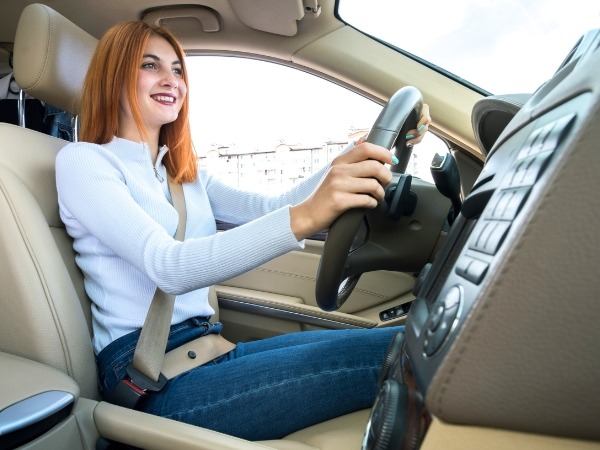
In a city with rapidly changing streets and sometimes minimal signage, reliable navigation is crucial. Your mobile phone, equipped with the right applications, is your most vital tool. Navigation apps are highly effective for plotting routes, but due to variable mobile signal strength, particularly in older parts of the city or during brief power outages, you must stress the importance of pre-downloading offline maps for the entire Santo Domingo area. This ensures continuous, reliable navigation even when connectivity drops.
The key to surviving and succeeding on Santo Domingo’s roads is adopting a defensive driving mindset. The local style demands constant vigilance. Drivers must employ "The Swivel Head" technique, continuously scanning all mirrors and checking blind spots, as motorcycles and scooters will appear without warning from every conceivable angle. You must also be prepared to drive confidently, but also be ready to stop or yield instantly when faced with a more aggressive manoeuvre.
Unlike in many Western nations, the car horn is not primarily a tool of anger; it is an essential piece of communication. Drivers use the horn to signal intention, warn others of an impending pass, or simply to acknowledge their presence. Learning to use it assertively yet courteously is key to integrating into the traffic flow.
Driving in Santo Domingo requires a constant state of vigilance, as the biggest hazards are often the most unpredictable. The most significant variable is the motoconcho (motorcycle taxi) and scooter fleet; these drivers are highly flexible, weave aggressively between lanes, pass on both the right and left, and will frequently appear in your blind spot. Always check your mirrors and blind spots twice before turning or changing lanes, and never assume they see you. You should also be prepared to share the road with unruly guaguas (public mini-buses), pedestrians, and animals who may step into the road with little warning.
In terms of physical hazards, speed bumps and potholes are often large and poorly marked, especially in residential or older city areas. Slow down significantly whenever entering a new area and approach these obstacles at a slight angle to prevent damage to your rental car's tyres and undercarriage.
One of the most important advice for any tourist driving in Santo Domingo is to strictly avoid driving after dark. The challenges of the day are multiplied exponentially after sunset. Many local vehicles, including motorcycles, may operate without proper head or taillights, making them nearly invisible. Street lighting is inconsistent, and unexpected hazards, like deep potholes or debris, become difficult to spot. Furthermore, the risk of opportunistic crime, such as vehicle break-ins or "snatch and grab" attempts from motorcyclists, increases significantly once visibility drops. Plan your excursions to ensure you are off the main roads and securely parked well before dusk.
Maintaining a high level of personal and vehicle security is paramount, particularly when stuck in traffic congestion. You should keep all car doors locked and all windows securely up at all times. This is especially important when stopped at traffic lights or during moments of gridlock. Motorcycle riders are known for performing quick "snatch and grab" thefts, targeting phones or bags left visible on seats or near open windows. Similarly, never leave valuables, including luggage, cameras, or electronics, visible inside the vehicle when parked. Even secured parking areas are susceptible to petty crime, and temptation should be minimised. Place all items out of sight in the boot before reaching your destination.
Throughout Santo Domingo and on major highways, you may encounter official traffic police (DIGESETT) stops or checkpoints. The most important rule in this scenario is to remain polite, calm, and respectful. Have your documents—passport copy, home licence, and rental contract—ready to present immediately. The interaction is likely to be brief and professional, but tourists occasionally report attempts at soliciting a cash bribe, known locally as la mordida (the bite). You must politely but firmly refuse any such request. Insist on receiving an official, written ticket or fine (multa) that you can pay later at an official institution, such as a local bank. Never hand over your documents, especially your licence, until you have seen the corresponding ticket being filled out.
Fuel stations, or bombas de gasolina, operate on a full-service model in the Dominican Republic. When you pull up to the pump, an attendant will manage the entire transaction. You must clearly state the type of fuel (regular or premium) and the amount you want—either a specific monetary value (mil pesos) or a full tank (lleno). It is customary and appreciated to offer a small tip to the attendant for their service. While major stations may accept credit cards, cash in local currency is generally preferred for a faster and smoother transaction, particularly for smaller purchases.
Many of the modern, well-maintained highways leading out of Santo Domingo—such as those toward the airport, La Romana, or Santiago—are toll roads. These peajes are efficient but strictly operate on cash payments. You must ensure you always carry small denominations of Dominican Pesos (DP) with you, as toll booths rarely accept US dollars and rarely accept credit or debit cards. The tolls are typically inexpensive but vary depending on the road and class of vehicle. Having small bills ready prevents delays and frustration at the booth.
Parking in the capital can be complicated, particularly in high-density areas like the Zona Colonial or commercial centres. It is highly recommended that tourists utilise secured, dedicated parking lots or multi-story garages over street parking. Street parking is often scarce, prone to traffic wardens, and carries a higher risk of theft. In the Zona Colonial, numerous guarded lots are available, and these small fees are a worthwhile investment in security and peace of mind. If you must park on the street in a busy area, you may encounter an informal parking attendant (parqueador). While not officially sanctioned, it is customary to give this person a small tip both upon arrival and when departing to ensure they "watch" your car.
Successfully navigating the roads of Santo Domingo is undoubtedly one of the most memorable and rewarding aspects of a Dominican holiday. While the driving environment presents unique challenges, the stress is offset by the incredible flexibility and access to the country's diverse landscapes that a personal vehicle affords. By mastering a defensive and alert driving style, respecting the chaos, and remaining vigilant against common hazards, you will successfully integrate into the local traffic flow.
Ready to take the wheel? Now that you know the rules of the road, it’s time to rent a car and unlock the freedom to explore the vibrant culture and hidden gems of Santo Domingo and beyond at your own pace! Book a car on Final Rentals to begin your driving adventure.