Finalrentals Blog

Published in Driving Category.
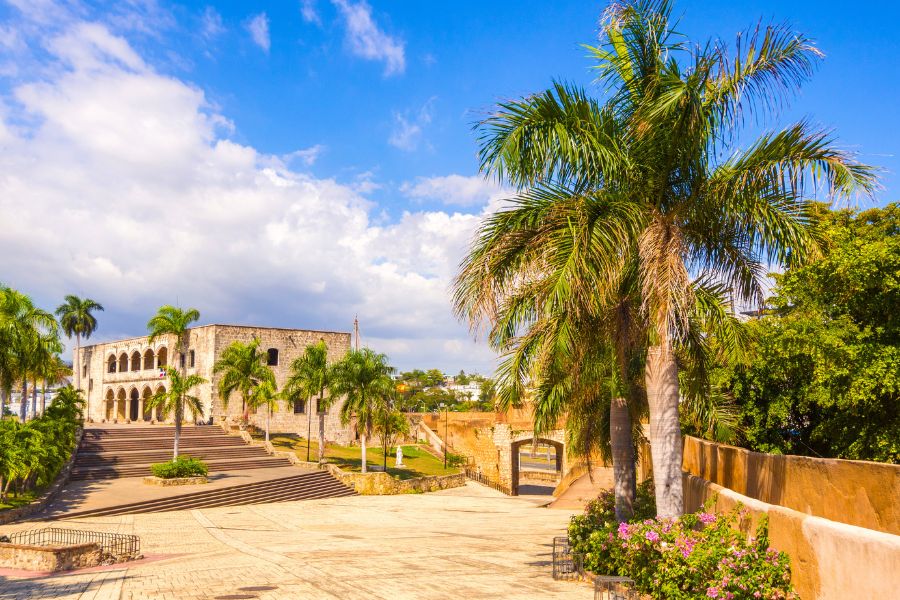
Santo Domingo, the historic capital of the Dominican Republic, is a city where colonial charm meets modern Caribbean energy. From the UNESCO-listed Colonial Zone to the lively Malecón waterfront and expanding urban districts, it offers visitors a rich mix of experiences. Driving is one of the most practical ways to explore, giving you the flexibility to move between historic streets, coastal roads, and nearby beach or mountain escapes at your own pace. With Final Rentals, arranging a vehicle in advance is quick and straightforward, making it easier to focus on the journey rather than logistics. Knowing how to navigate the city is essential for a smooth and confident driving experience.
Why Drive in Santo Domingo?

Driving in Santo Domingo gives visitors direct access to the city’s diverse attractions without relying on fixed schedules or organised tours. The capital is spread out, and many of its most interesting locations, from historic districts to modern shopping areas and coastal roads, are easier to reach by car. Having your own vehicle also makes it simpler to explore nearby destinations such as beaches, cultural sites, and countryside towns.
Unlike public transport, driving allows full flexibility over timing and routes, which is especially useful in a busy city where plans often change. For travellers who value independence and comfort, arranging a car rental in Santo Domingo remains one of the most practical travel decisions.
Understanding Santo Domingo's Road Network
The road system in Santo Domingo is extensive and connects most parts of the city with surrounding regions. Major highways such as Autopista Las Américas link the capital to the airport and eastern coastal areas, while Autopista Duarte provides access to northern cities. Within the city, wide avenues such as Avenida 27 de Febrero and Avenida John F. Kennedy help manage cross-city traffic flow.
One of the most scenic routes is Avenida George Washington, also known as the Malecón, which runs along the Caribbean coastline. Although road infrastructure is generally well developed, traffic conditions can vary significantly depending on the time of day. Understanding key routes before driving helps reduce delays and improve overall travel efficiency.
Driving Requirements for Tourists
Tourists should be aware of key requirements to ensure a smooth and hassle-free experience. Carrying the correct documents and understanding rental conditions helps avoid issues during your trip.
Driving Licence and ID: Tourists can usually drive with a valid licence from their home country. A passport or official ID should also be carried at all times.
Rental Documents: If using a rental vehicle, keep all documents such as insurance papers and the rental agreement inside the car. These may be required during checks or emergencies.
Age Requirements: Most rental companies require drivers to be at least 21 years old. Some may have extra conditions or fees, so always review terms when arranging a car rental in the Dominican Republic.
Road Rules Every Tourist Should Know
Before driving in Santo Domingo, it is important to understand the local traffic laws and regulations that help ensure road safety. These rules are strictly enforced and apply to both residents and tourists, so following them is essential for a smooth driving experience.
Traffic Direction and Seat Belts: Traffic in Santo Domingo follows right-hand driving rules. Seat belts are mandatory for all passengers at all times.
Mobile Phone Use: Using a mobile phone while driving is not allowed unless you are using a hands-free system. This helps reduce distractions and improve road safety.
Speed Limits: Speed limits vary depending on the area. Urban roads have lower limits, while highways allow higher speeds, so always check local signage.
Alcohol Restrictions and Road Awareness: Driving under the influence of alcohol is strictly prohibited and heavily enforced. Drivers should stay alert at all times, especially in busy urban areas where traffic conditions can change quickly.
What to Expect from Santo Domingo Traffic
Traffic in Santo Domingo is dynamic and often busy, particularly during peak commuting hours. Motorcycles are common and may move between lanes, requiring drivers to stay attentive at all times. Sudden lane changes and frequent stops are part of normal driving behaviour in the city.
Rush hour traffic can significantly increase travel times, especially on major roads leading into and out of central districts. Pedestrian movement is also more unpredictable in commercial areas, where people may cross outside designated crossings. A calm and defensive driving style is essential for navigating the city safely.
Best Times to Drive
Driving conditions are generally more manageable outside peak traffic hours. Early mornings often provide the smoothest travel experience, while mid-morning and early afternoon periods are typically less congested than rush hour.
Traffic is heaviest between 7:00-9:00 am and 4:30-7:30 pm, when commuters fill major routes. Planning journeys outside these times can significantly reduce delays and improve overall driving comfort, particularly for visitors unfamiliar with the city layout.
Parking in Santo Domingo

Parking options are widely available across Santo Domingo, although convenience varies by location. Many hotels offer secure parking for guests, while shopping centres and commercial areas provide dedicated parking facilities. Public parking garages are also available in central districts and near popular attractions.
Street parking exists in some areas but should always be used cautiously, as restrictions may apply and enforcement is common. Choosing secure parking facilities is generally the safest option for visitors using a rental vehicle
.
Navigation Tips for Tourists
Most travellers rely on GPS applications to navigate Santo Domingo, as they provide real-time traffic updates and alternative routes. However, mobile signal strength can vary in some areas, so downloading offline maps is highly recommended before setting out.
Understanding your route in advance helps reduce stress in busy traffic conditions. While major roads are well signposted, smaller streets can be more complex, making digital navigation tools especially useful for first-time visitors.
Fuel Stations and Refuelling
Fuel stations are easy to find throughout Santo Domingo and along major highways, making refuelling convenient for both city driving and longer journeys. Petrol and diesel are widely available, and attendants typically assist with refuelling.
Payment is usually accepted in cash and by card, although carrying some local currency is advisable. For longer trips outside the city, it is best to refuel before departure to avoid delays in less populated areas.
Safety Tips for Driving in Santo Domingo
Before getting on the road, it is just as important to focus on practical safety habits that help you stay protected throughout your journey. Santo Domingo’s traffic environment can be busy and unpredictable, so staying cautious makes a noticeable difference.
Defensive Driving Approach: Driving safely in Santo Domingo requires constant awareness and caution. A defensive driving style helps you respond better to sudden movements and heavy traffic conditions.
Vehicle Security Practices: Keeping doors locked and valuables out of sight reduces the risk of opportunistic incidents while driving or parked.
Night Driving Care: Night-time driving needs extra attention due to uneven street lighting in some areas. Reducing speed and staying alert improves safety after dark.
Avoiding Distractions: Staying focused on the road and avoiding distractions ensures a smoother and safer driving experience overall.
Weather Considerations
The tropical climate in the Dominican Republic can influence driving conditions. Sudden rainfall is common and may reduce visibility or create slippery roads. During the hurricane season, typically from June to November, heavy rain and occasional flooding may occur in some areas.
Checking weather forecasts before travelling helps drivers plan safer routes and avoid potential disruptions caused by adverse conditions.
Day Trips from Santo Domingo Worth Driving To
Several attractive destinations are within easy driving distance of Santo Domingo. Boca Chica is a popular beach spot known for its calm waters and relaxed atmosphere, making it ideal for short day trips. Juan Dolio offers a quieter coastal experience with scenic beaches and dining options.
Further along the coast, La Romana provides access to luxury resorts and cultural attractions, while Altos de Chavón offers a unique artistic village with panoramic river views. For a different landscape, Jarabacoa presents cooler mountain temperatures, waterfalls, and outdoor adventure opportunities.
Benefits of Renting a Car in Santo Domingo
Renting a vehicle provides significant advantages for travellers who want to explore independently. It allows flexible travel schedules, comfortable transportation in a tropical climate, and easier access to both urban and rural destinations.
It can also be more cost-effective for families or groups compared to multiple taxi journeys. Many travellers search for cheap car hire deals in advance to secure better pricing and vehicle availability, especially during peak travel seasons.
How to Choose the Right Rental Vehicle
Selecting the right vehicle depends on your travel needs. Compact cars are ideal for city driving due to easier parking and fuel efficiency. SUVs offer more comfort and space, making them suitable for longer journeys or rural exploration.
Economy vehicles remain a popular choice for budget-conscious travellers who want reliable transport at a lower cost. When you rent a car online, comparing insurance options, fuel policies, and vehicle categories ensures you choose the most suitable option for your trip.
Common Driving Mistakes Tourists Should Avoid
Tourists often underestimate local traffic conditions, which can lead to unnecessary stress. One common mistake is relying solely on mobile data without offline maps, which can cause navigation issues in areas with weaker signals. Another is failing to observe parking regulations, which may result in fines.
Drivers should also avoid driving too aggressively or reacting sharply to local driving habits. Maintaining patience and adapting to the flow of traffic ensures a smoother and safer experience.
Sustainable and Responsible Driving
Responsible driving contributes positively to both the environment and local communities. Reducing engine idling, respecting speed limits, and driving cautiously in residential areas all help promote safer and more sustainable travel. Supporting local businesses during road trips and properly disposing of waste also contribute to responsible tourism practices across the Dominican Republic.
Planning the Perfect Driving Holiday

A well-planned itinerary enhances the overall driving experience. Booking accommodation and transportation in advance helps secure better availability and pricing, especially for those arranging a car rental in Santo Domingo.
Preparing navigation tools, planning flexible routes, and understanding local driving conditions before arrival ensures a smoother and more enjoyable journey. Thoughtful planning allows travellers to focus on exploring rather than logistics.
Make the Most of Your Santo Domingo Driving Experience
Driving in Santo Domingo offers a rewarding way to experience the Dominican Republic with greater freedom and flexibility. While traffic can be heavy, understanding local driving conditions and preparing in advance makes the experience much more manageable. From city landmarks to coastal escapes and mountain adventures, having your own vehicle opens up countless travel opportunities.
Whether you are looking for cheap car hire deals, planning to rent a car online, or exploring options for car rental in the Dominican Republic, early preparation ensures better choices and smoother travel.
Ready to Explore Santo Domingo?
Secure your car rental in Santo Domingo before arrival and enjoy complete travel freedom. For added convenience, download the Final Rentals app from Google Play or the App Store to manage bookings, compare vehicles, and access exclusive offers anytime during your trip.
Frequently Asked Questions
Is driving around Santo Domingo safe for first-time visitors unfamiliar with local traffic?
Driving in Santo Domingo is generally safe for tourists who stay alert and adapt to local traffic patterns. A defensive driving approach is important due to busy roads and unpredictable driving behaviour.
Can tourists legally drive in the Dominican Republic with only their home country licence?
Most visitors can legally drive using a valid licence from their home country during their stay. It is still recommended to check requirements before travelling, as rules may vary depending on your nationality.
How can travellers realistically get lower prices when booking a rental car in Santo Domingo?
The best prices are usually found by booking in advance and comparing different rental providers online. Travelling outside peak holiday seasons also helps improve availability and reduce costs.
Is it practical to use Santo Domingo as a base for driving to other parts of the Dominican Republic?
Santo Domingo is well connected by major highways that make intercity travel straightforward and accessible. Popular destinations like Punta Cana, Santiago, and La Romana can be reached within a few hours.
How easy is it for tourists to find safe and convenient parking in busy areas of Santo Domingo?
Parking is widely available at hotels, shopping centres, and designated public facilities across the city. Choosing secure parking areas is strongly recommended, especially in central or high-traffic zones.