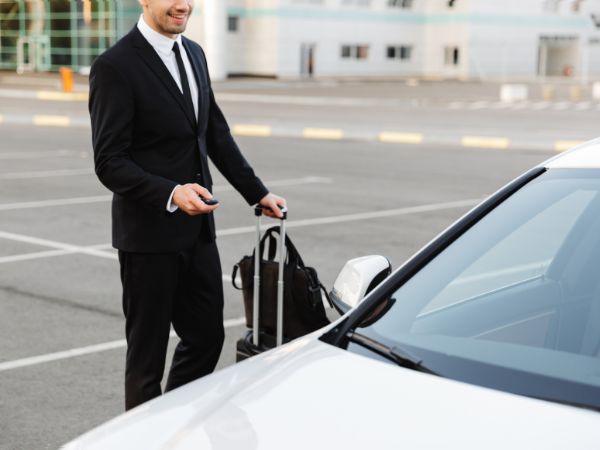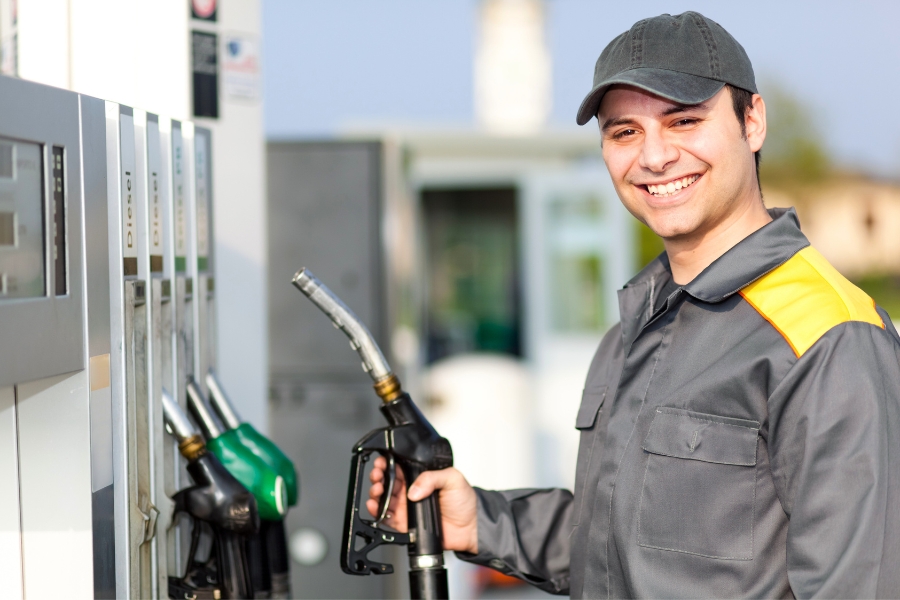
Stepping out of the airport in Santo Domingo and collecting a rental car marks the start of a Caribbean adventure. While the Dominican Republic has a good bus network, driving offers the freedom to explore coastal roads and mountain passes at your own pace. However, navigating local rules and logistics can be challenging, especially at gas stations, or "bomba". Unlike self-service stations in Europe or North America, Dominican stations are full-service, requiring drivers to stay in their vehicles while a pump attendant, called bombero, fills the tank. This convenient dynamic is essential for a smooth journey, whether in the lively capital or the quieter Samana Peninsula.
Choosing the right fuel is critical to ensuring your vehicle performs optimally. In the Dominican Republic, fuel types are categorised differently from those in many other countries. It is also vital to distinguish between petrol, known as Gasolina, and diesel, which is referred to as Gasoil. Misfuelling a car is a costly mistake that can end a holiday prematurely, so always confirm the required fuel type with your rental agent before departure. Most petrol-powered rental cars will require Gasolina Premium. While Gasolina Regular is available and slightly cheaper, rental agencies almost universally recommend premium to protect the engine from the varying quality of fuel found in more rural areas.
Another unique aspect of the Dominican fuel market that you should know is the unit of measurement. While the country uses the metric system for many things, fuel is sold by the United States Gallon rather than the litre. This can be confusing for travellers accustomed to seeing prices per litre. When you see the price displayed on the large boards outside a station, remember that you are looking at the cost for nearly four litres of fuel. This often makes petrol seem more expensive at first glance than it truly is, though prices do fluctuate based on government regulations and global market shifts.
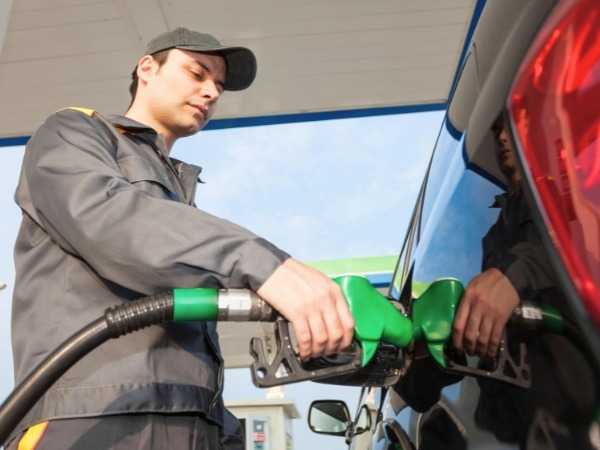
The refuelling process follows a specific rhythm that begins the moment you pull up to the pump. Once you have aligned your car with the correct fuel island, lower your window to speak with the attendant. Communication is key, even if your Spanish is limited. To request a full tank, you should use the phrase "llenelo, por favor". If you prefer to purchase a specific amount based on your remaining budget or the distance left in your journey, you can request a specific peso amount, such as ponle mil quinientos pesos. Clear communication prevents misunderstandings and ensures you are not overcharged or underfilled.
One of the most important habits to develop is doing the zero check. Before the attendant begins to pump the fuel, look at the digital display on the petrol pump. It is essential to verify that the meter has been reset to zero. Occasionally, in busier stations or due to simple human error, an attendant might start a new transaction where the previous one left off. By making it obvious that you are checking the meter, you signal that you are an informed traveller, which usually prevents any accidental or intentional overcharging. Once the fuel is flowing, you can relax, but keep a casual eye on the progress to ensure the final amount matches your request.
In major urban centres like Santo Domingo, Santiago, and Punta Cana, credit and debit cards are widely accepted at branded stations. However, make sure to never let your card leave your sight. Instead of handing your card to the attendant to take inside a booth, ask for the portable terminal, known as a datafono. Most modern stations have these wireless devices, allowing you to complete the transaction right at your car window. This significantly reduces the risk of card cloning or unauthorised charges.
Despite the prevalence of cards in the cities, cash remains king once you venture into the heart of the country. If you are planning a road trip through the Cordillera Central or toward the southwestern border, carrying a significant amount of Dominican Pesos is essential. Many smaller, independent stations in rural villages do not have the infrastructure to process international cards, or their systems may be offline due to intermittent internet connectivity. Furthermore, paying in cash often allows for a faster transaction and avoids any potential foreign transaction fees from your bank back home.
Tipping etiquette, or propina, is a nuanced part of the payment process that often confuses visitors. While tipping at the fuel station is not legally required, it is a deeply ingrained cultural expectation. The attendants work long hours in the heat and often rely on these small gestures to supplement their income. For a standard fuel-up where the attendant simply pumps the gas, a tip of fifty to one hundred pesos is considered appropriate and generous. This is a small price to pay for the convenience and service provided.
If the attendant goes above and beyond, such as cleaning your windscreen, checking your oil level, or inflating your tyres, it is customary to increase the tip to one hundred and fifty or two hundred pesos. It is important to remember that tips should always be handed over in cash directly to the individual who helped you. Even if you pay for your fuel with a credit card, there is usually no way to add a gratuity to the electronic transaction. Keeping a stash of small bills in your glove compartment or centre console specifically for the bomba will make these interactions smooth and respectful.
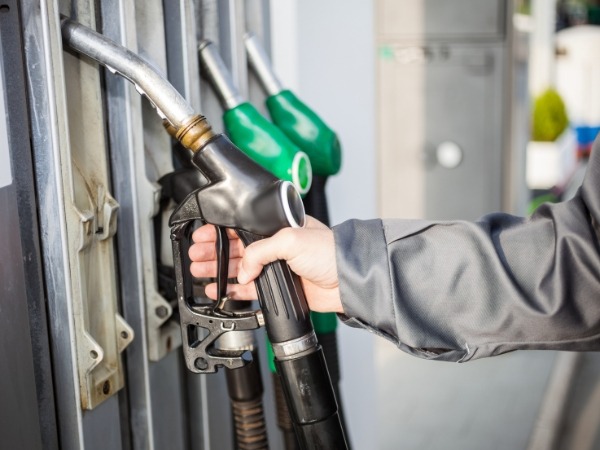
Strategic planning is the final piece of the puzzle for a successful Dominican road trip. The country’s geography is diverse, ranging from hyper-urbanised plains to dense, tropical rainforests and high-altitude mountains. Consequently, the availability of fuel varies wildly.
A primary rule of thumb is the half-tank rule. In other countries, you might wait until the fuel light flickers before searching for a station, but in the Dominican Republic, this is a risky strategy. Once your gauge reaches the halfway mark, start looking for a reputable station and fill up your tank. This is especially true if you are heading into the southwest or the central mountain ranges, where distances between villages are vast, and stations are few and far between.
Safety and security should always be at the forefront of your mind when stopping. While most stations are perfectly safe, they are high-traffic areas that can attract opportunistic crime. While the attendant is busy at the rear of your vehicle, ensure your car doors are locked, and your windows are mostly rolled up. Do not leave expensive cameras, smartphones, or wallets sitting in plain sight on the passenger seat. By maintaining a tidy and secure cabin, you remove the temptation for anyone to reach in while you are distracted by the transaction.
Identifying official and reputable stations is also a key strategy for protecting your rental car. Stick to well-known international and national brands. These stations are typically well-lit, have modern pumping equipment, and maintain higher standards for fuel filtration and storage. Using fuel from a reputable source reduces the risk of water contamination or sediment entering your engine, which could lead to mechanical failure and a breach of your rental contract. Furthermore, these larger stations often have clean restrooms and well-stocked convenience stores, making them ideal rest stops.
Refuelling during daylight hours is another recommendation for tourists. While stations in Santo Domingo and on the main toll roads like Autopista Las Americas are generally open twenty-four hours a day, rural stations often close at sunset. Driving at night in the Dominican Republic presents its own set of challenges, including unlit roads and stray livestock, so planning your fuel stops during the day ensures you are never caught out in the dark searching for a pump.
Knowing where to fuel up in the Dominican Republic is a small but vital part of a successful holiday. By understanding the language of the bomba, preparing your payment methods, and staying mindful of your surroundings, you transform a mundane chore into a smooth part of your daily travels. The convenience of full service allows you to spend less time worrying about the mechanics of the journey and more time enjoying the vibrant culture and stunning vistas that the country has to offer.
There is no better time than now to take the wheel and explore the true spirit of the Dominican Republic. Booking a rental car is your ticket to discovering the secluded beaches of Las Galeras, the lush waterfalls of Jarabacoa, and the historic colonial architecture of Santo Domingo on your own terms. Do not let the logistics of the road hold you back. Secure your vehicle today, familiarise yourself with the local customs, and prepare to fuel up for the journey of a lifetime. The open road is calling, and with this guide in hand, you are ready to navigate it with the confidence of a local.