
The Dominican Republic is often characterised by its luxurious all-inclusive resorts in Punta Cana and the historic charm of Santo Domingo. However, for those willing to venture beyond the mainland, a more authentic Caribbean experience awaits. The offshore islands and sandbars reveal a stunning natural beauty, vibrant marine life, and a sense of tranquillity that is hard to find elsewhere. Here, the water shifts from translucent turquoise to deep sapphire, and footprints in the sand often belong to a solitary traveller.
To truly explore these islands, you must view the ocean as a highway rather than a barrier. The coastline features three distinct regions: the Southeast, known for its luxury and classic charm; the Southwest, a remote and rugged area perfect for those seeking peace and the raw power of nature; and the North Coast, which offers wild scenery with deep bays and transient sandbars.
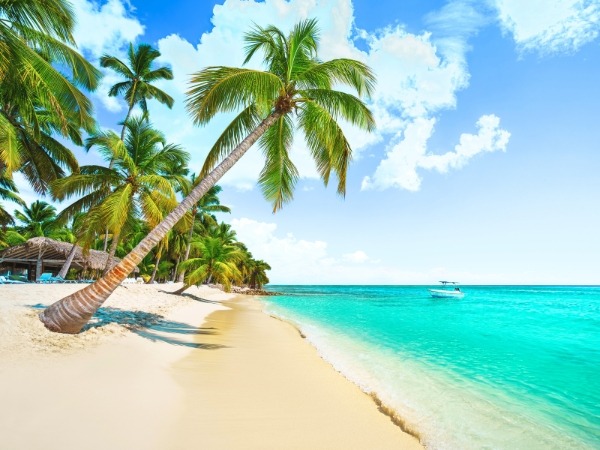
Isla Saona, located within Cotubanamá National Park, is the most famous offshore destination in the Dominican Republic. Most trips start in Bayahibe, where visitors can take speedboats or catamarans to the island, often stopping at the renowned Natural Pool, a sandbar where people can wade in crystal-clear water surrounded by starfish.
Upon arriving, the experience ranges from the lively beaches to the tranquil fishing village of Mano Juan, the island's only inhabited area. Here, conservation efforts focus on protecting hawksbill and green sea turtle nests. The village features brightly painted wooden shacks that contrast beautifully with the lush coconut groves and white sandy shores.
Isla Catalina, located a short boat ride from Casa de Campo and La Romana, is a paradise for those who love the underwater world. Unlike Saona, which is famous for its beaches, Catalina is known for its stunning coral reefs. The island, uninhabited and part of a pristine marine ecosystem, features The Wall, a dramatic coral drop-off that offers divers and snorkelers a vibrant array of fan corals, sponges, and tropical fish thriving in gentle currents.
For history enthusiasts, Isla Catalina also holds intrigue with the 17th-century wreck of the Quedagh Merchant, the last ship commanded by the infamous privateer Captain William Kidd. This underwater site allows snorkelers to view cannons and anchors covered in coral, connecting Caribbean pirate lore to modern exploration. The island’s rugged interior, filled with scrubland and cacti, provides habitats for various bird species, making it an ideal stop for maritime adventurers.
The southwest coast of the Dominican Republic is a land of extremes, and nowhere is this more evident than on Isla Beata. Located off the tip of the Pedernales Peninsula, Beata is a place of history and desolation. It was once a strategic point for Spanish explorers and later a haunt for pirates who used its hidden coves to intercept ships travelling between the Old and New Worlds.
Today, the island is part of the Jaragua National Park and is primarily used by scientists and the military. It is home to unique fauna, including the rhinoceros iguana and several endemic bird species that have evolved in near-total isolation. It also features mangrove swamps, sandy coves, and limestone forests.
Even further south lies the tiny, volcanic rock of Alto Velo. Its name, which means High Veil, refers to its silhouette, which resembles a ship under sail from a distance. The island is a critical nesting site for seabirds, particularly the booby, and its cliffs make landing a challenge for all but the most experienced sailors.
As a remote, untouched site of the Jaragua National Park, it offers a wild, rugged experience. Exploring this region requires significant planning and a sturdy vessel, as the currents and winds of the Enriquillo Channel can be formidable. However, for true explorers, the chance to stand on the southernmost point of the Dominican Republic is a prize worth the effort.
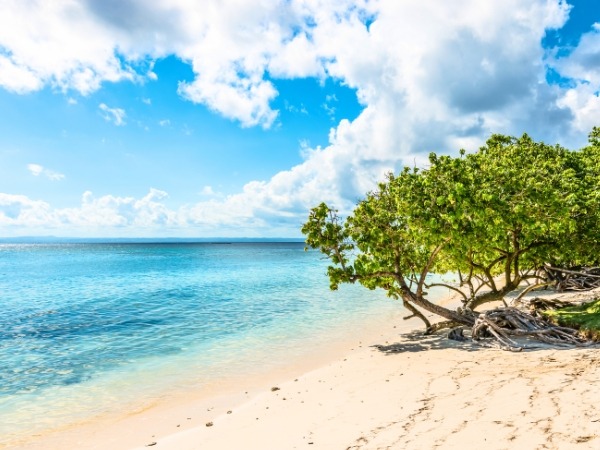
Cayo Levantado, nestled in Samaná Bay, is an idyllic Caribbean island. It offers a unique mix of public access and private luxury, featuring a high-end resort alongside areas open to day-trippers. The beaches, surrounded by towering cliffs and lush tropical vegetation, create an intimate atmosphere often absent on the mainland.
Visiting Cayo Levantado between January and March can enhance the experience, as this period coincides with the mating and calving season of North Atlantic humpback whales. Many travellers pair their island visit with whale-watching excursions, where they can hear the males' haunting songs echoing through the boat. After a day of observing these magnificent creatures, enjoying a piña colada served in a fresh pineapple becomes a cherished part of the experience.
Further west along the north coast, near Punta Rucia, lies Cayo Arena, often called Paradise Island. This shimmering sandbar, surrounded by a massive coral reef, appears to float in the ocean. With no permanent vegetation, visitors enjoy a stunning 360-degree view of the Atlantic, and the water's incredible clarity makes snorkelling feel like swimming in a giant outdoor aquarium.
To fully appreciate this minimalist paradise, visitors should arrive early to avoid midday crowds and the rising tide, which can shrink the island’s footprint. The surrounding reef forms calm, shallow pools teeming with schools of surgeonfish, damselfish, and sergeant majors. The vibrant contrast of bright yellow sand, neon blue water, and the deep green mainland mountains creates a visual palette often deemed the most beautiful in the country.
For those who find Cayo Arena too populated, the Cayos Siete Hermanos offer a truly unique alternative. Located near Monte Cristi, these seven uninhabited cays are a dream for birdwatchers and solitude seekers. The cays are primarily composed of coral sand and are surrounded by some of the most extensive mangrove forests in the Caribbean.
Because they are less frequented by major tour operators, a trip here usually involves hiring a local fisherman to navigate the winding channels and open waters. This is the rawest form of Dominican island hopping, where the reward is a private slice of the world and a profound sense of isolation.
Careful preparation is the key to a successful island adventure in the Caribbean. To ensure your trip is as seamless as the turquoise horizon, consider the following practical tips.
Island hopping in the Dominican Republic offers more than just a change of scenery; it provides a change of spirit. By stepping off the mainland and onto the deck of a boat, you leave behind the predictable rhythms of resort life and enter a world governed by the tides and the wind.
Ultimately, the islands provide a different perspective on what makes this country so special. From the festive, azure waters of Isla Saona to the silent, sun-drenched solitude of the Siete Hermanos, these offshore gems reveal the true heart of the Caribbean. They remind us that the most beautiful places are often those that require a little extra effort to reach.
To further discover the treasures of the Dominican Republic, you can drive around after visiting the islands. While public transport is available, a car provides the freedom to explore at your own pace and to uncover the hidden coves, breathtaking landscapes, and remote villages that are inaccessible otherwise. Book a car on Final Rentals and truly immerse yourself in the charm of this tropical country.