
Parking in Santo Domingo presents a unique challenge due to high energy, dense traffic, and flexible rules. Tourists may find the driving culture overwhelming, with a mix of motorbikes, colourful guaguas, and private vehicles. The streets are a vibrant tapestry of motorbikes, colourful buses known as guaguas, and a constant stream of private vehicles.
Within this chaotic symphony, finding a place to leave your vehicle requires a specific strategy. Street parking is notoriously scarce in the most popular districts, and while the rules may seem relaxed, traffic enforcement has become increasingly stringent in recent years. Understanding how to navigate this environment and where to park is essential for a stress-free holiday.
When exploring the historic heart of the city, the Zona Colonial, parking requires the most foresight. This district is characterised by narrow, cobblestone streets designed for horse-drawn carriages rather than modern SUVs. Many of the streets are pedestrianised or have strict no-parking regulations to preserve the colonial architecture.
The most reliable and secure option for visitors is the Calle El Conde underground car park. This facility is located directly beneath the main pedestrian thoroughfare, providing immediate access to the primary shopping and dining areas. It is well-lit, monitored, and offers a level of security that street parking simply cannot match.
Another excellent choice for those visiting the northern end of the historic district is the La Atarazana parking lot. This area is ideal for tourists planning to visit the Alcázar de Colón or the upscale restaurants overlooking the plaza. For those arriving on busy weekends when the more central lots are often at capacity, the San Antón lot serves as a dependable alternative.
Regardless of which facility you choose, the golden rule in the Zona Colonial is to avoid street parking entirely. The narrowness of the roads makes vehicles vulnerable to accidental scrapes from passing traffic, and the local police are particularly vigilant about keeping these historic lanes clear for emergency services and foot traffic.
As you move into the modern commercial centres of Piantini and Naco, known collectively as the Polígono Central, the parking landscape changes dramatically. This is the city’s high-end shopping and business hub, where modern infrastructure is more prevalent. The most straightforward strategy here is to utilise mall parking.
Massive shopping centres offer expansive, multi-level underground parking structures. These are equipped with modern security systems, clear signage, and often technology that indicates how many spaces are available on each level. These malls are centrally located, making them perfect base points for exploring the surrounding boutiques and cafes. Beyond the shopping centres, supermarket lots provide ample space, though it is important to check for customer-only time limits to avoid being clamped or towed.
During the evenings, many of the corporate towers that dominate the skyline open their private parking facilities to the public for a fee. This is a particularly useful option if you are heading to one of the district’s many fine-dining establishments. By opting for these professional facilities, you bypass the frustration of circling the block and ensure your vehicle is in a controlled environment.
The Malecón, Santo Domingo’s famous oceanfront boulevard, offers a different set of challenges and opportunities. This area is popular for evening strolls and ocean-view dining. The safest approach for tourists is to use the dedicated hotel lots. Establishments have secure, gated parking facilities that are often open to non-guests who are visiting their restaurants or bars. Using these lots provides a high level of security in an area that can become quite crowded after dark.
For a more casual experience near the food stalls and public parks, Plaza Juan Barón has a large outdoor parking area. While it is convenient, it can become extremely busy on Sunday nights when local families congregate by the sea, so arriving early is advised.
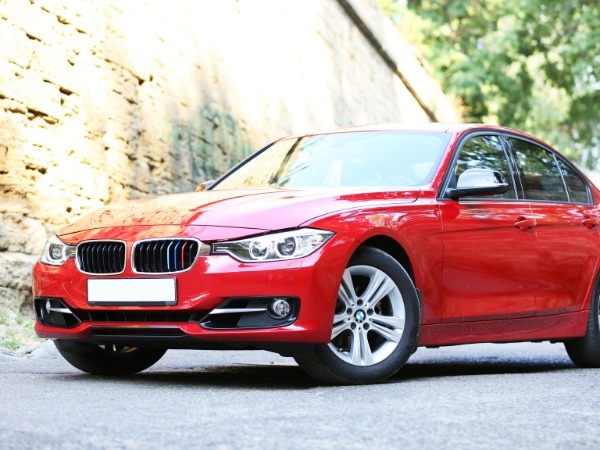
Franeleros are unofficial parking attendants, often local men who claim certain stretches of the pavement as their own territory. These men are not officially employed by the city, but they provide a service that many locals rely on. When you pull up to a spot that a franelero is guarding, he will often signal you with a whistle or hand gestures. It is best to acknowledge him with a polite nod.
While you are not legally required to pay them, it is customary to give a small tip upon your return to the vehicle. A standard tip usually ranges from fifty to one hundred Dominican pesos. This small gesture ensures that the attendant will keep an eye on your mirrors and help you back out into the flow of traffic. It is a small price to pay for the informal security and assistance they provide in a crowded urban environment.
Consulting with your hotel concierge is an invaluable tip that many travellers overlook. Even if your hotel does not have on-site parking, the concierge will almost certainly have a preferred secure lot nearby. They often have established agreements with these garages to provide discounted rates for guests or can point out specific street blocks that are known to be safer and more accessible. Furthermore, they can provide real-time updates on road closures or local events that might make parking in certain districts more difficult than usual. Their local knowledge is a resource that can save you significant time and stress.
Implementing a park and walk strategy is perhaps the most effective way to manage the logistical challenges of the city. Rather than trying to drive from one specific shop to another, it is far more efficient to choose one large, secure garage as your base for the day. For example, you can leave your car in a secure mall garage in Piantini and then simply walk to explore the surrounding streets. This prevents the constant need to find new parking spots and allows you to immerse yourself in the local atmosphere without worrying about your vehicle.
Legal compliance should always be at the forefront of your mind when choosing a spot. One of the most important visual cues to look for is the yellow curb. Just as in many other international cities, a yellow curb in Santo Domingo strictly indicates a no-parking zone. While you may see locals ignoring this rule, tourists are often held to a higher standard of scrutiny, and the traffic police, known as DIGESETT, are very active. They frequently employ tow trucks, locally called la grúa, to clear vehicles from main avenues or areas where they obstruct traffic. Recovering a towed vehicle can be a long and expensive process, so it is always better to pay for a legitimate lot.
Security is another critical consideration. Regardless of where you park, you should never leave valuables in plain sight: bags, mobile phones, or even small amounts of loose change. Even in a secure lot, visible items can be a temptation. It is best to place all shopping bags and valuables in the boot of the car before you reach your destination so that no one sees you hiding them after you have parked.
Nighttime caution is also essential. When the sun goes down, you should always prioritise well-lit, gated lots over any form of street parking. The peace of mind that comes from knowing your car is in a monitored area allows you to enjoy the city’s legendary nightlife to the fullest.

While parking in Santo Domingo requires a bit more foresight than in other Caribbean destinations, it is manageable with a security-first mindset. Prioritising convenience and security by opting for paid lots is always worth the investment. The small fees associated with these garages are a minor trade-off for the peace of mind that comes with knowing your vehicle is safe from fines, towing, or accidental damage.
Don't let the fear of parking challenges stop you from experiencing the city to its fullest. Renting a car gives you the freedom to discover hidden gems beyond the tourist centre, from the subterranean wonders of the Tres Ojos caves to the scenic drives along the coast. Having your own transport is the key to a truly personalised adventure. Go ahead—book a car from Final Rentals, follow these simple parking strategies, and start exploring the vibrant, historic heart of the Dominican Republic!